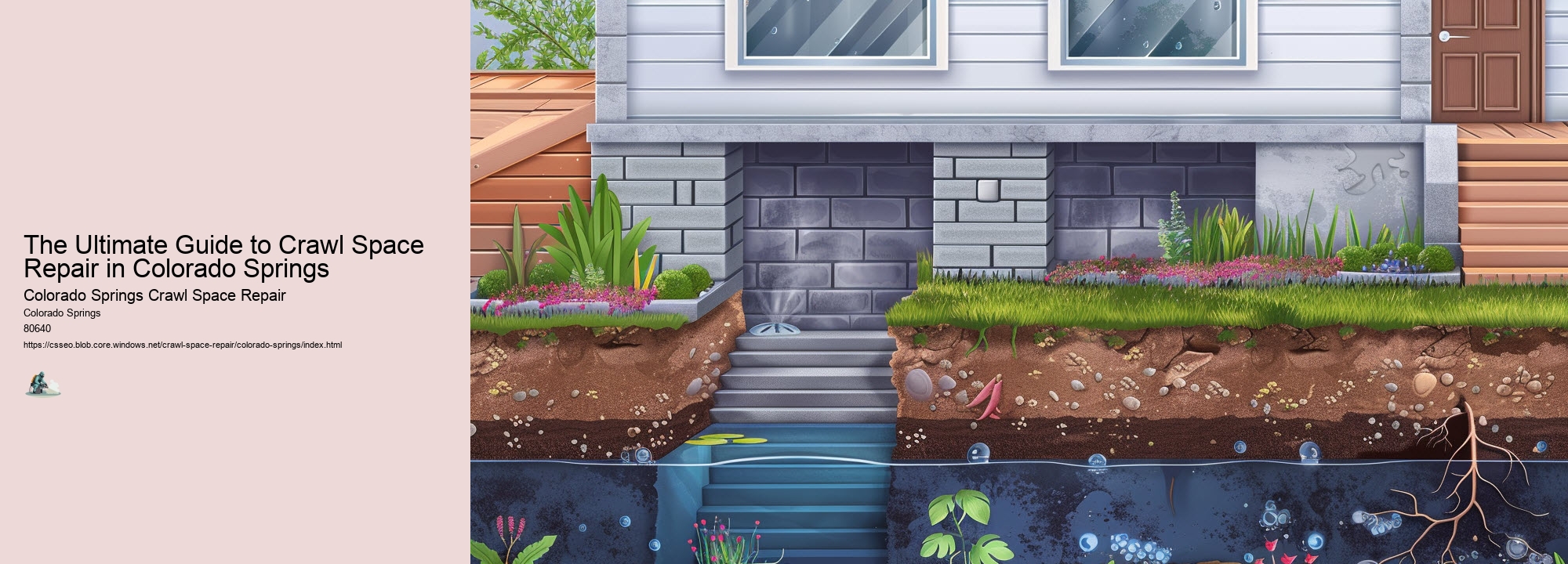
In Colorado Springs, your crawl space might be silently harboring issues that could impact your home's well-being. From subtle signs to musty odors, understanding the intricacies of crawl space repair is essential. Discover how to differentiate between DIY fixes and professional interventions, pinpoint the right contractor for the job, and navigate the cost considerations involved. Ensuring your crawl space is in top condition can safeguard your home's foundation and air quality. Ready to take charge of your home's hidden foundation?
Importance of Crawl Space Maintenance
Maintaining your crawl space is essential for preserving the structural integrity and indoor air quality of your property. A well-maintained crawl space acts as a barrier against moisture infiltration, which is critical for preventing issues such as mold growth, wood rot, and pest infestations.
Proper ventilation in the crawl space is vital to prevent the buildup of excess moisture, which can lead to a host of problems if left unchecked. Additionally, regular inspections of the crawl space allow for the early detection of any issues such as plumbing leaks or foundation cracks, which can be addressed promptly to prevent further damage.
Ensuring that your crawl space is adequately insulated is another critical aspect of maintenance. Proper insulation helps regulate the temperature in your crawl space, which in turn can prevent energy loss and reduce your heating and cooling costs.
Signs of Crawl Space Issues
You may notice visible moisture damage on the walls or floors of your crawl space, indicating potential issues with water intrusion.
Additionally, signs of pest infestations like droppings, gnaw marks, or nesting materials could be evident in this area.
These indicators suggest the requirement for a thorough inspection and potential repairs to guarantee the structural integrity of your crawl space.
Visible Moisture Damage
When examining crawl spaces for potential issues, visible moisture damage such as water stains, mold growth, or rotting wood can indicate underlying problems that require attention. Water stains on surfaces within the crawl space often suggest water intrusion from outside sources like leaks or poor drainage.
Mold growth is a common consequence of excess moisture, indicating high humidity levels within the crawl space. Mold not only poses health risks but also signifies ongoing moisture issues that need to be addressed promptly.
In addition to mold, rotting wood is another visible sign of moisture damage. Wooden structural components in the crawl space can deteriorate when exposed to prolonged moisture, compromising the integrity of the foundation. Rotting wood may also attract pests and insects, further exacerbating the structural damage.
Inspecting the crawl space for these visible signs of moisture damage is vital in identifying and resolving underlying issues before they escalate. Proper moisture control measures such as encapsulation, drainage solutions, and ventilation can help mitigate these problems and protect the crawl space from further damage.
Pest Infestations Evident
Pest infestations evident in the crawl space often serve as clear indicators of underlying structural issues that require immediate attention. The presence of pests such as rodents, insects, or termites in your crawl space can be a sign of excess moisture, deteriorating wood, or openings that allow easy access for these unwanted intruders.
Rodents like mice and rats are drawn to dark, damp environments where they can nest and find food. Insects, on the other hand, may indicate a decaying organic material that serves as a food source. Termites pose a significant threat as they can cause extensive damage to wooden structures if left unchecked.
To address pest infestations in your crawl space effectively, it's important to not only eliminate the pests but also identify and rectify the underlying issues that attracted them in the first place. This may involve repairing any wood rot, sealing off entry points, improving ventilation to reduce moisture levels, and ensuring proper drainage to prevent water accumulation.
Common Causes of Moisture Problems
One common cause of moisture problems in crawl spaces is inadequate ventilation. Proper ventilation is essential in allowing moisture to escape from the crawl space, preventing it from accumulating and causing issues. Without adequate airflow, moisture can become trapped, leading to high humidity levels and potential condensation problems.
Another common culprit behind crawl space moisture problems is water intrusion. This can occur due to various reasons such as leaks in plumbing, poor drainage around the foundation, or even heavy rain seeping into the crawl space. When water enters the crawl space, it creates a damp environment that promotes mold growth and wood rot.
Moreover, the lack of a vapor barrier can contribute to moisture problems in crawl spaces. A vapor barrier is vital for preventing moisture from the ground to evaporate and enter the crawl space. Without this protective layer, the crawl space is more susceptible to dampness and mold growth.
Understanding these common causes of moisture problems in crawl spaces is important for implementing effective solutions and preventing further damage to your property.
Effects of Mold in Crawl Spaces
When mold proliferates in crawl spaces, you face health risks due to exposure to mold spores.
Structural damage potential is a concern as mold can weaken wood and compromise the integrity of your home's foundation.
Additionally, the musty odor associated with mold growth can permeate your living space, affecting indoor air quality.
Mold Health Risks
Mold poses significant health risks when present in crawl spaces, potentially leading to respiratory issues and other health complications. Mold spores can become airborne and be inhaled, causing allergic reactions, asthma attacks, and respiratory infections.
Individuals with compromised immune systems, allergies, or respiratory conditions are particularly susceptible to the effects of mold exposure in crawl spaces. Prolonged exposure to mold in crawl spaces can also trigger symptoms like coughing, wheezing, throat irritation, and skin rashes.
Additionally, certain types of mold produce mycotoxins, which can have toxic effects on the body when ingested or inhaled. To mitigate these health risks, it's important to address mold infestations promptly through proper remediation techniques.
Regular inspections, moisture control, adequate ventilation, and maintaining a clean crawl space environment are essential steps in preventing mold growth and safeguarding your health. Prioritizing mold prevention and remediation in crawl spaces is crucial for creating a healthy living environment and preventing potential health complications.
Structural Damage Potential
The presence of mold in crawl spaces can lead to significant structural damage over time if left unaddressed. Mold growth occurs due to excess moisture, and as mold spreads, it can deteriorate wooden support beams, floor joists, and other structural elements in your crawl space. Mold feeds on organic materials, breaking them down and weakening their integrity. This weakening can compromise the stability of your home's foundation, potentially leading to sagging floors, cracks in walls, and other structural issues.
Furthermore, mold can also cause corrosion of metal components in your crawl space, such as pipes and air ducts. This corrosion can weaken these essential systems, leading to leaks, blockages, or even system failures.
Addressing mold growth promptly through proper remediation methods is essential to prevent further structural damage and maintain the integrity of your home's foundation. Regular inspections and maintenance can help identify mold issues early on, allowing for timely intervention and reducing the risk of extensive structural damage.
Musty Odor Concerns
Addressing musty odor concerns in crawl spaces is essential due to the potential health risks associated with mold growth. Mold thrives in damp, dark environments like crawl spaces, and its presence can lead to various health issues such as respiratory problems, allergies, and even skin irritation.
The musty odor itself is often a clear indicator of mold presence, as mold releases volatile organic compounds that create this distinct smell.
When mold spores are inhaled, they can cause allergic reactions in sensitive individuals, exacerbating asthma symptoms or triggering respiratory issues. Prolonged exposure to mold in crawl spaces can also weaken the overall air quality in your home, affecting the health of occupants.
Additionally, mold growth in crawl spaces can deteriorate wooden structures and compromise the integrity of your home's foundation.
To mitigate these risks, it's essential to address the source of the musty odor by implementing proper crawl space encapsulation, ensuring adequate ventilation, and promptly addressing any signs of mold growth through professional remediation.
DIY Vs. Professional Solutions
When considering crawl space repair options, you may be weighing the benefits of tackling the project yourself versus hiring a professional. DIY solutions can be cost-effective if you have the necessary skills and tools. Tasks like sealing small cracks or installing a vapor barrier might be manageable for a skilled homeowner. However, more complex issues such as structural repairs or mold remediation are best left to professionals.
Professionals have the expertise to accurately identify underlying problems and guarantee proper solutions are implemented. They also have access to specialized equipment and materials that may be required for certain repairs.
Hiring a professional for crawl space repair offers advantages such as guaranteed workmanship, saving you time and effort, and providing long-term solutions. Professionals can conduct a thorough inspection to pinpoint all issues, provide a detailed plan of action, and execute the repairs efficiently.
While DIY projects can be fulfilling, when it comes to crawl space repair, the expertise and efficiency of a professional contractor often outweigh the benefits of attempting the repairs yourself.
Hiring the Right Crawl Space Contractor
Consider key factors like experience, expertise, and client reviews when selecting the right crawl space contractor for your repair needs. Look for contractors with a proven track record in crawl space repair specifically. Experience matters greatly in this field, as it demonstrates a contractor's ability to handle a variety of issues that may arise during the repair process.
Expertise in crawl space encapsulation, moisture control, insulation installation, and structural repairs is essential. Client reviews offer valuable insights into the quality of work provided by the contractor. Take the time to read through reviews on trusted platforms to gauge customer satisfaction levels. Positive reviews can indicate reliability, professionalism, and excellent results. Conversely, negative reviews may signal red flags that could help you avoid hiring an unsuitable contractor.
Additionally, verify that the contractor is properly licensed and insured to protect yourself from liability in case of accidents or damages during the repair work. Prioritize contractors who offer warranties on their work, ensuring that you have recourse if issues arise post-repair.
Crawl Space Repair Cost Factors
To accurately estimate the cost of crawl space repair, it's essential to factor in various elements that influence the overall expenses. The size of the crawl space plays a significant role in determining the cost, as larger areas require more materials and labor.
The extent of damage present, such as moisture issues, mold growth, or structural problems, will also impact the overall repair expenses. Accessibility to the crawl space is another important factor, as harder-to-reach spaces may require additional effort and time, thereby increasing the cost.
Moreover, the materials used for repair, such as vapor barriers, insulation, and encapsulation products, will contribute to the total cost. Additionally, the need for any specialized equipment or tools for the repair process can also influence the final expenses.
Best Practices for Crawl Space Encapsulation
Implementing proper crawl space encapsulation is vital for maintaining a healthy and efficient home environment. Encapsulation involves sealing off the crawl space from moisture, pests, and soil gases, creating a barrier that protects your home's foundation and indoor air quality. To guarantee effective encapsulation, start by repairing any existing damage, such as leaks or insulation issues.
Next, install a high-quality vapor barrier to prevent moisture from seeping into the crawl space. This barrier should be made of durable materials like reinforced polyethylene and securely fastened to the walls and floor.
Additionally, it's essential to seal all gaps and cracks to prevent air leakage and intrusion of pests. Consider installing a dehumidifier to control moisture levels and prevent mold growth. Proper ventilation is also vital to circulate fresh air and prevent stagnation.
Regular maintenance, including checking for signs of water intrusion and ensuring the encapsulation remains intact, will help prolong the life of your crawl space and protect your home from potential damage.
Maintaining a Healthy Crawl Space
Maintaining a healthy crawl space is vital to ensuring the longevity and structural integrity of your home. Regular inspections are essential in identifying any issues early on. Check for signs of moisture, such as mold, mildew, or water stains, as these can indicate poor ventilation or water intrusion.
Make sure all vents are clear and functioning properly to promote adequate air circulation. Insulate pipes to prevent condensation and potential leaks. Monitor humidity levels and use a dehumidifier if necessary to keep them between 30-50%.
Additionally, seal any cracks or openings to prevent pests from entering and causing damage. Regularly clean the crawl space to prevent debris buildup, which can attract pests and retain moisture. Consider installing a vapor barrier to further protect against moisture.
Frequently Asked Questions
Can Crawl Space Repair Increase My Property Value?
Crawl space repair can potentially increase your property value by improving structural integrity, reducing moisture issues, and preventing mold growth. These repairs address underlying problems that could affect the overall condition of your home, making it more appealing to potential buyers.
Will Crawl Space Repair Improve Indoor Air Quality?
Improving indoor air quality through crawl space repair is essential. Sealing off crawl spaces prevents moisture and mold growth, which can release harmful spores into your home.
Are There Any Government Rebates for Crawl Space Repair?
Yes, there are government rebates for crawl space repair in certain regions. These rebates aim to incentivize homeowners to invest in improving their crawl spaces, leading to more energy-efficient homes and potentially reducing utility costs.
To benefit from these rebates, you must meet specific criteria outlined by the government agencies offering them. It's advisable to research and inquire with relevant authorities to determine the availability and eligibility requirements for these rebates.
How Long Does Crawl Space Encapsulation Typically Last?
Crawl space encapsulation typically lasts 20-25 years. Factors impacting longevity include the quality of materials, installation techniques, and environmental conditions.
Proper maintenance, like regular inspections and addressing any issues promptly, can extend the lifespan of the encapsulation. Additionally, ensuring proper drainage, ventilation, and humidity control in your crawl space can help enhance the durability of the encapsulation system.
Can Crawl Space Repair Help Prevent Pest Infestations?
Yes, crawl space repair can effectively help prevent pest infestations by eliminating entry points and creating an environment that's less conducive to pests.
Repairing crawl spaces involves sealing gaps, installing vapor barriers, and ensuring proper ventilation, all of which can deter pests from entering and nesting in the area.
Conclusion
To sum up, by following the tips and information outlined in this guide, you can effectively address and prevent crawl space issues in your Colorado Springs home.
Maintaining a healthy crawl space is crucial for preserving your home's structural integrity and indoor air quality. Remember to regularly inspect your crawl space, address any signs of moisture problems promptly, and consider professional solutions for long-term protection.
Your diligence will guarantee a safe and comfortable living environment for you and your family.
The Ultimate Guide to Crawl Space Repair in Colorado Springs